Introduction
Wooden pallets serve as the unsung heroes of the logistics industry, facilitating the movement of goods efficiently and effectively. In the bustling metropolitan areas of New York and New Jersey, these humble yet indispensable platforms play a crucial role in supply chain operations.
Streamlining Transportation and Storage
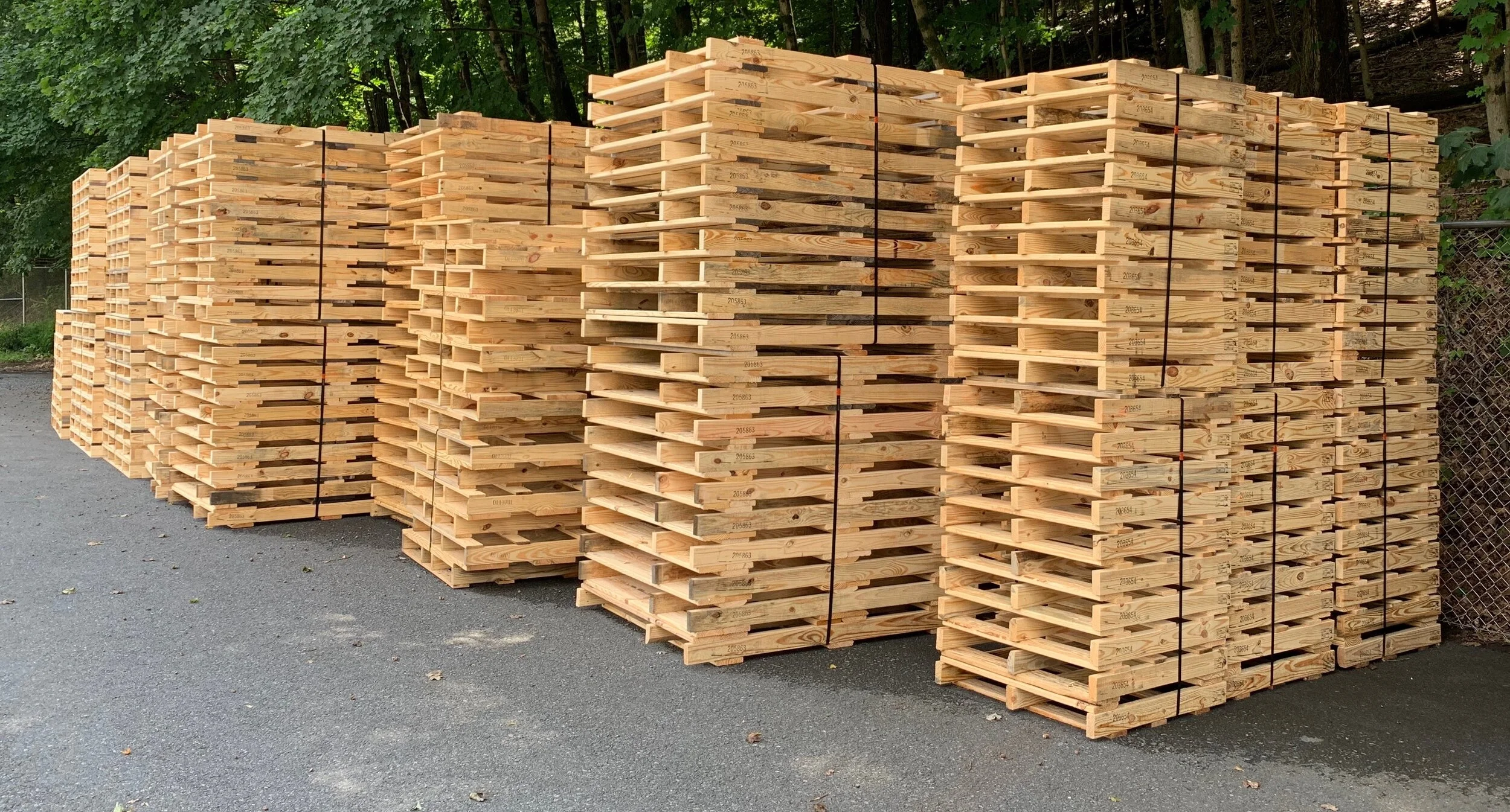
Wooden pallets offer a sustainable alternative to plastic or metal counterparts, as they are biodegradable and renewable. In New York and New Jersey, where environmental concerns are prominent, the use of wooden pallets helps reduce carbon emissions and promote responsible waste management practices.
Supporting Local Economies
Wooden pallets offer a sustainable alternative to plastic or metal counterparts, as they are biodegradable, renewable, and contribute to reduced carbon emissions, aligning with the eco-conscious ethos prevalent in the region.
Economic Advantages for Businesses
Wooden pallets are inherently recyclable and can be easily repaired, reused, or repurposed. By embracing circular economy principles, businesses in New York and New Jersey are minimizing waste and maximizing resource efficiency, creating a more sustainable supply chain ecosystem.
Innovations Driving Efficiency
Collaborative initiatives between businesses, pallet manufacturers, and recycling facilities are driving sustainable practices in logistics. By working together to promote the reuse, repair, and recycling of wooden pallets, stakeholders in New York and New Jersey are paving the way for a greener, more sustainable future.
Conclusion
Wooden pallets play a pivotal role in shaping the logistics landscape of New York and New Jersey, offering a harmonious balance between functionality, sustainability, and economic viability. By prioritizing the adoption of get more info wooden pallets and embracing innovative practices, businesses can contribute to a greener, more efficient future for the region's supply chain operations.